A Bird's Perspective: Exploring the Impact of Drone Pilots in Environmental Conservation
In recent years, the position of UAV pilots in eco-protection has garnered significant interest. These skilled individuals harness the power of drones to observe natural habitats, assess fauna, and evaluate natural resources. With progress in aerial technology, professionals can now execute tasks that were once time-consuming, enabling increased effective plus successful preservation efforts.
This work will examine the diverse tasks of UAV operators within the realm of environmental conservation. From navigating FAA regulations for night flying and flights over people to comprehending the importance of LiDAR technology for land surveys, we will delve into the technical aspects that enhance their work. As we analyze the complexities of operating drones for eco-protection purposes, we will also highlight the essential records and safety measures crucial for ensuring high operational standards. Whether blog here is utilizing heat detection for locating structural faults or ensuring compliance with airspace regulations, these understandings reveal the role of drone pilots as vital participants in safeguarding our environment.
Navigating FAA Rules for Drone Usage
Grasping the regulations set by the FAA is essential for those flying drones, particularly those involved in commercial flying that prioritize conservation of the environment. The FAA Part 107 regulations set the groundwork of safe and legal flying, encompassing requirements on certifying pilots, operational limitations, and classifications of airspace. Operators need to ensure they are compliant to the established rules to evade penalties and ensure the safety of their flights.
A particularly complex element of the FAA's guidelines is obtaining exceptions to activities that don't comply with typical guidelines. As an illustration, drone operators seeking to fly at night or conduct flights over people have to navigate the waiver application process carefully. This requires outlining safety measures and justifications to demonstrate how the proposed operations will still adhere to safety regulations. Understanding how to draft a convincing waiver request can greatly improve a pilot's ability to carry out targeted drone operations, like surveying wildlife and assessing distant ecosystems.
In addition, operators must be knowledgeable regarding the controlled airspace and how to navigate it properly. Utilizing the Low Altitude Authorization and Notification Capability (LAANC) system can streamline this process. Operators must to submit particular documents to receive authorization, ensuring that operations are conducted within permissible airspace. Recognizing airspace classifications and the corresponding restrictions aids drone pilots plan their flights and maintaining compliance to the FAA's guidelines, contributing to the broader goals of conserving the environment.
Technological Knowledge for Improved Drone Performance
Comprehending the factors that affect drone performance is essential for optimizing effectiveness in environmental initiatives. One key element is battery management. Tolerable battery degradation must be assessed to avoid in-flight malfunctions, particularly in high-stakes situations. Periodically monitoring battery health and knowing when to replace LiPo flight packs makes certain that drone pilots operate at peak capability, reducing the likelihood of inactivity or accidents during critical conservation missions.
When it comes to information acquisition, thermal imaging drones play an crucial role in identifying infrastructure faults and roof moisture leaks. These drones employ sophisticated sensor technology to detect heat variances, allowing conservationists to resolve issues before they worsen. Harnessing the capabilities of thermal drones can significantly aid to wildlife conservation efforts, especially in spotting temperature deviations in habitats that may signify larger environmental issues.
Furthermore, the difference between mechanical and electronic shutters in drone mapping is noteworthy. Mechanical shutters are beneficial for capturing high-speed movements without blurring, whereas electronic shutters can lead to distortions. Opting for Drone Pilots Barra Inverness-shire based on the objective needs can greatly enhance the quality of data obtained, thereby improving the efficacy of conservation approaches employed.
Best Practices for Commercial Drone Operations
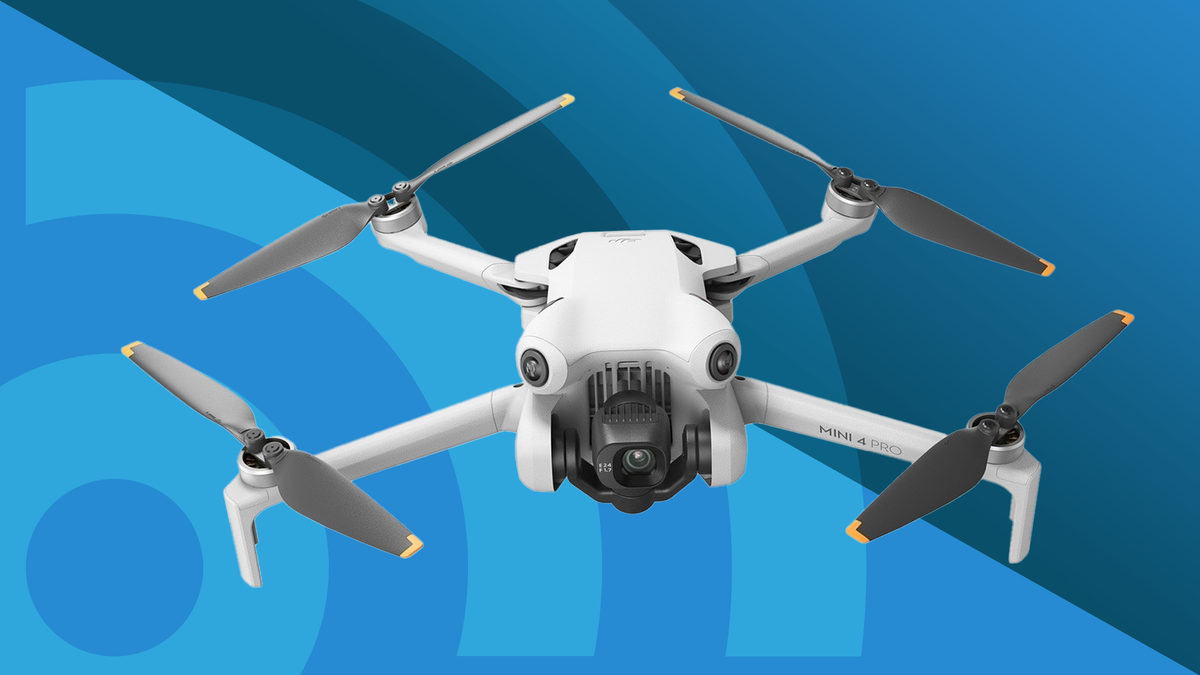
To ensure efficient and risk-free business drone flights, operators should familiarize themselves with FAA regulations, especially FAA Part 107. This awareness includes how to manage waivers for night flying and operations over people. Proper comprehension of these regulations helps drone pilots maintain adherence while broadening their operational capabilities, ultimately fostering safer and more efficient flights. Additionally, pilots should emphasize acquiring the required documentation needed to clear controlled airspace through the Low Altitude Authorization and Notification Capability (LAANC) system, which facilitates the approval process for drone operations in congested airspaces.
Regular maintenance and calibration of drone equipment is crucial for optimal performance. Drone pilots should be vigilant to factors such as magnetic interference, which can impact the accuracy of compass and IMU calibrations. Understanding how to maintain and clean camera sensors and gimbal bearings will ensure sharp imaging, which is crucial for tasks like thermal imaging and photogrammetry. Additionally, performing thorough pre-flight checks can help identify potential issues, ensuring that drones are ready for safe flight and that operators can respond effectively to any unexpected challenges during operations.
Ultimately, operators must keep detailed records for commercial insurance audits and compliance purposes. Structuring Drone Pilots Cawdor Inverness-shire that records flight conditions, battery life, and any anomalies can provide necessary documentation for underwriting processes. It is also crucial to understand the factors that affect drone performance, such as payload weight, battery degradation, and flight telemetry data, permitting pilots to make smart decisions that improve safety and efficiency. By adopting these best practices, drone pilots can significantly contribute to the impact of environmental conservation efforts through their aerial operations.